
Maipú
15–20 km (9–12 mi) from the city
Closest to the city, lowest, oldest. The bodegas sit near each other on flat ground, which is why the bike circuit happens here. A good first day.
Mendoza is South America's largest wine region, and Malbec is why most people come. Here is how to make sense of it.
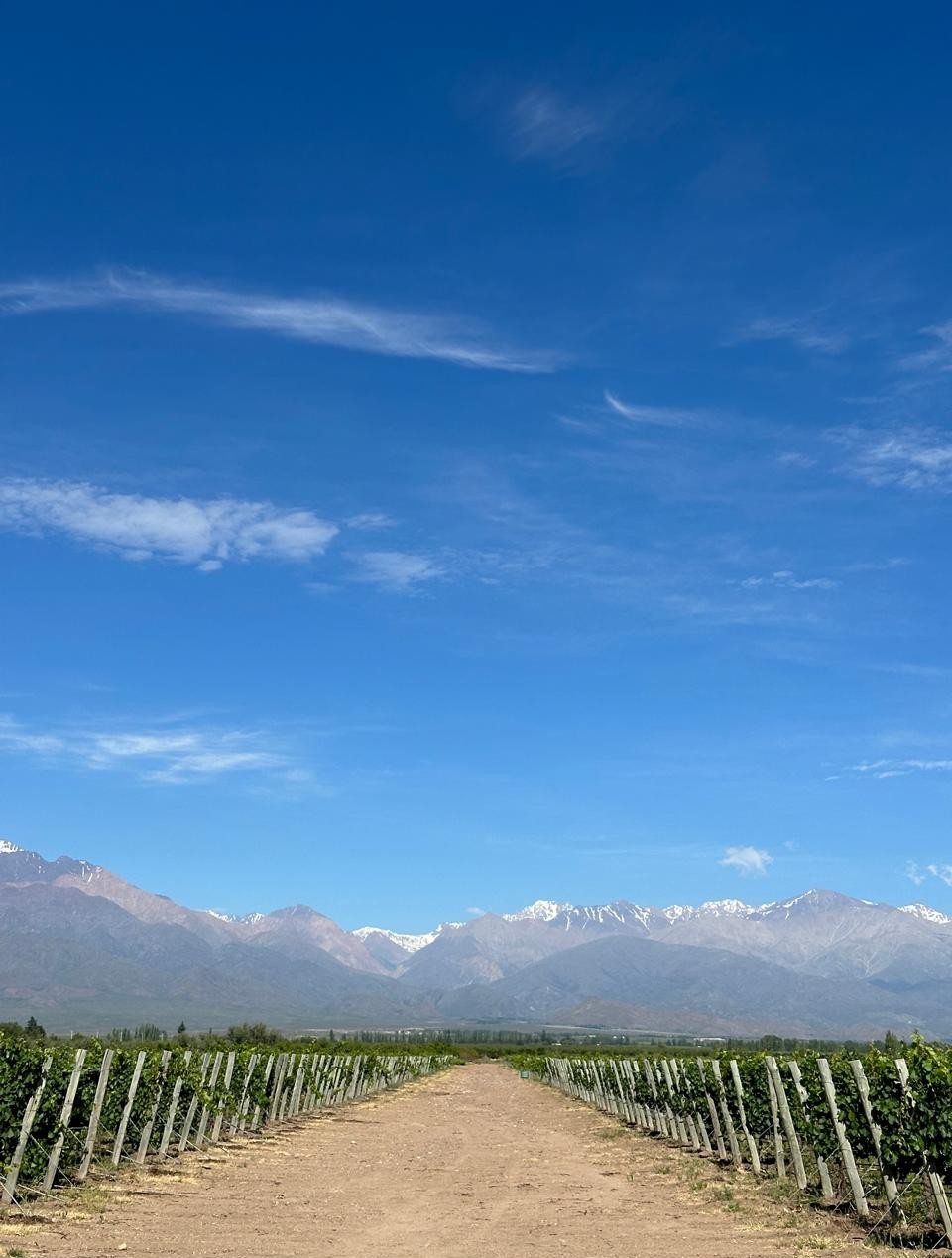
Malbec isn't originally from Argentina. It comes from south-west France and arrived here in the 19th century, where it found a very different home.
And this is where altitude becomes important.
Many of Mendoza's vineyards sit between roughly 600 and 1,500 metres above sea level. The days are sunny, the nights can be surprisingly cold, and that big difference in temperature helps the grapes ripen slowly while keeping their acidity.
It's one of the reasons altitude is such a big part of talking about Mendoza wine. You'll often hear people mention how high a vineyard sits almost as quickly as they'll tell you which grape they're growing.
And yes, you should drink Malbec. You're in Mendoza, after all.
But don't stop there. Bonarda, Cabernet Franc and Torrontés are all worth trying too. Mendoza makes some really lovely Cabernet Franc in particular, while Torrontés is especially associated with northern Argentina.
Come for the Malbec. Stay curious about the rest.
15–20 km (9–12 mi) from the city
Closest to the city, lowest, oldest. The bodegas sit near each other on flat ground, which is why the bike circuit happens here. A good first day.
20–30 km (12–19 mi) from the city
The historic heart of Mendoza Malbec, a little higher than Maipú. Big established names alongside small family operations.
80–120 km (50–75 mi) from the city
Highest, furthest, newest. Most of the ambitious projects moved here, and so did the best views of the Andes. A full-day trip.
These are examples, not recommendations: I put them together from Google and other online sources, not from my own visits. The prices come from published rates in July 2026, in Argentine pesos. Inflation here is high, so treat them as a rough idea rather than a quote, and confirm with the bodega before you go.